Maintenance
Furniture Assembly Without the Weekend Headache
SteadyHome Team
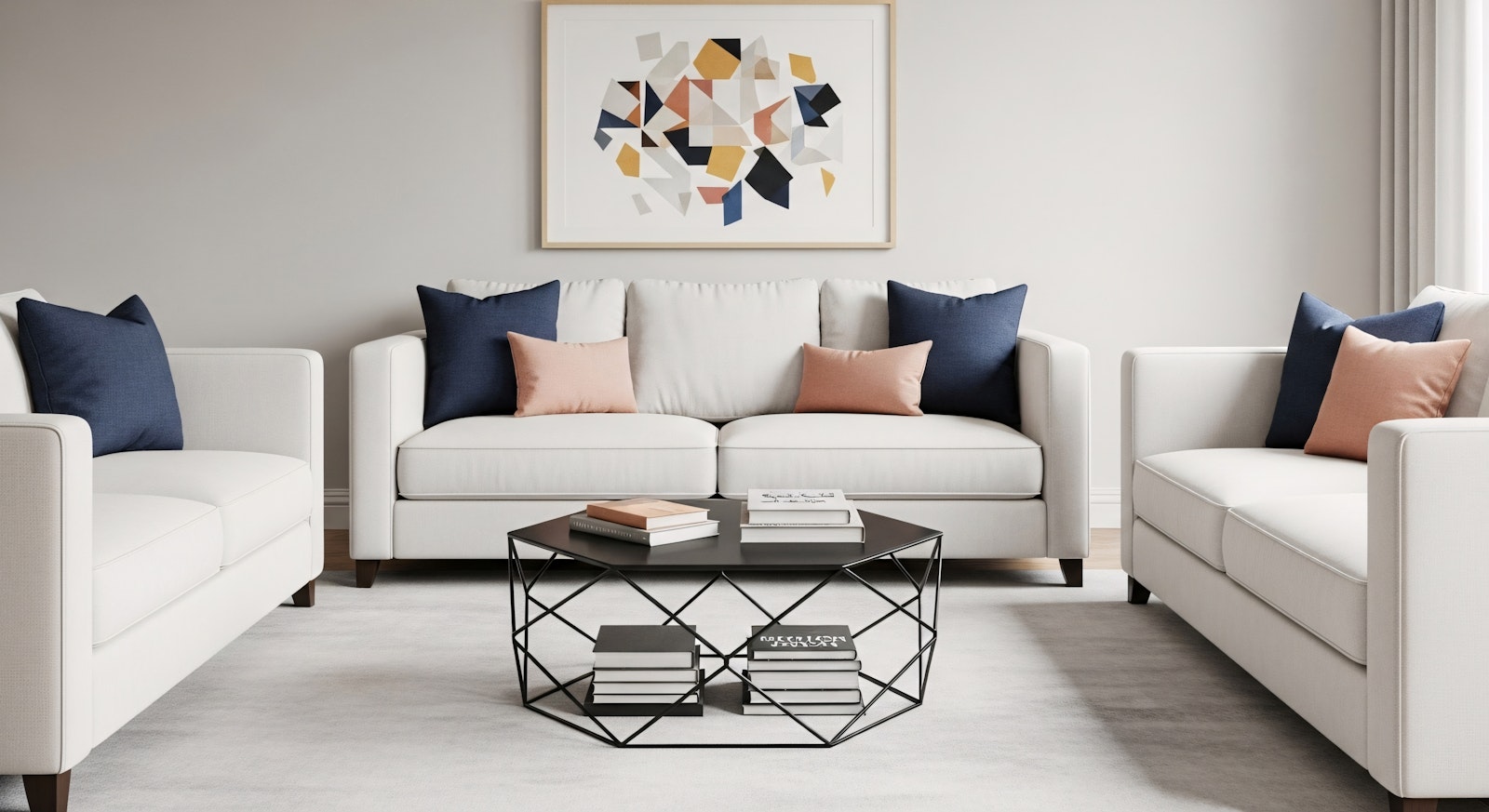
Flat-pack furniture promises a Saturday project and often delivers a Sunday argument, a missing cam lock, and a dresser that never sits square. The product is not always the problem. The process is. Furniture assembly is a construction task in miniature: inventory, sequence, square, and fastening torque. If you skip those, the piece can look assembled and still rack, wobble, or fail at the first move across the room.
Prepare the Space Like a Small Jobsite
Open the box in the room where the piece will live, or in a nearby clear area with a clean blanket or foam on the floor. Carpet hides screws. Hardwood gets dented by Allen keys. Keep hardware in a tray, not in the box lid. Count every fastener against the inventory list before you build anything. Finding a shortage after the carcass is together is how panels get forced and holes get stripped.
Read the entire manual once. Manufacturers hide later steps that require you to leave bolts loose until a back panel squares the cabinet. If you fully tighten early, you will fight the piece for the rest of the build. Loose until square, then final torque, is the rule for almost every cabinet, desk, and dresser.
Build for Structure, Not Just Appearance
Cam locks must turn until they pull the dowel, not until they feel dramatic. Over-tightening crushes particle board. Under-tightening leaves a joint that opens in humidity. Check that panels are fully seated before you lock them. A gap you can see on day one becomes a racked door on day thirty.
If the piece has a back panel, that panel is structure. It keeps the cabinet rectangular. Use the recommended fasteners and do not substitute random nails. For beds and large frames, assemble with a second person. Forcing rails into hidden brackets by yourself is how metal slots bend and wood dowels snap.
When Professional Assembly Is the Cheaper Option
Hire assembly help for wall-anchored dressers, complex wardrobes, standing desks with electronics, and anything that requires drilling into studs. Anchoring is not optional in a home with children. A beautiful dresser that is not secured is a tip-over hazard. Professionals also bring the bits, levels, and patience that a single frustrated afternoon usually lacks.
Finish With a Safety and Function Check
When the last cam is turned, do not just stand the piece up and declare victory. Check that doors align, drawers slide without scraping, and the unit cannot rock. Anchor it. Recycle the packaging only after you confirm no hardware remains in the foam. Keep a small bag of extras in a drawer; the next move will need them.
SteadyHome furniture assembly is measured, anchored, and checked before we leave. If you assemble it yourself, steal that standard. The goal is not to finish before dinner. The goal is a piece that still feels solid the next time you slide a drawer in a hurry.
Leave the Heavy Lifting to a Crew That Does This Daily
A professional assembly visit is not just faster. It is cleaner. Hardware is sorted before the first panel is opened. Fasteners are driven to the right depth so particleboard does not strip. Drawers are aligned, doors are leveled, and the piece is walked into the room without scraping floors or walls. If a part is missing, the crew documents it instead of improvising a workaround that fails in a month.
When Assembly Is the Smart Call
Call for help when the piece is large, when the instructions are poorly translated, when you are assembling several items in one day, or when the furniture has to look showroom-ready. SteadyHome treats assembly as a finish trade: protect the floors, protect the product, and hand you a piece that is actually ready to use.